
Overview
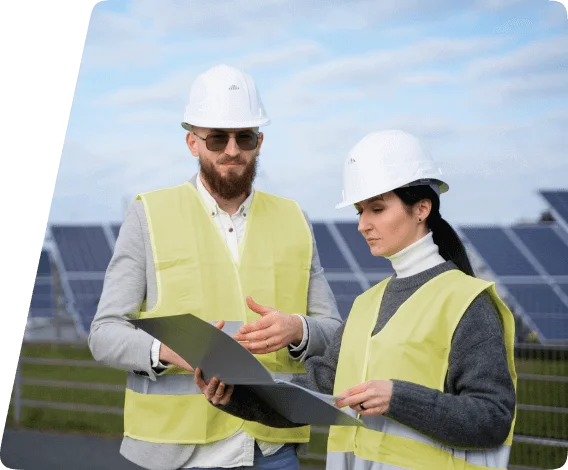
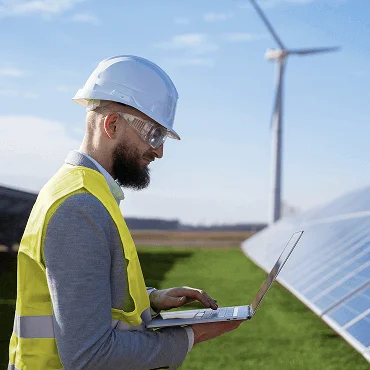
ARPY Renewables handles Solar EPC as a complete, continuous process — not separate tasks. We begin by understanding your real goal, whether it is reducing energy costs, achieving sustainability targets, or using your own captive power. Based on this, we create a technical design that can handle weather changes, load variations, and long-term wear. Because we manage everything under one roof, our designs stay accurate, our procurement stays reliable, our construction stays predictable, and the plant’s performance stays clear and measurable.
Our team brings strong documentation to the field and real field experience back into the plans. What arrives at your site is not just equipment — it is a well-designed, fully thought-out system that has been tested on paper, reviewed by engineers, and prepared specifically for your location’s conditions.
Engineering & Design
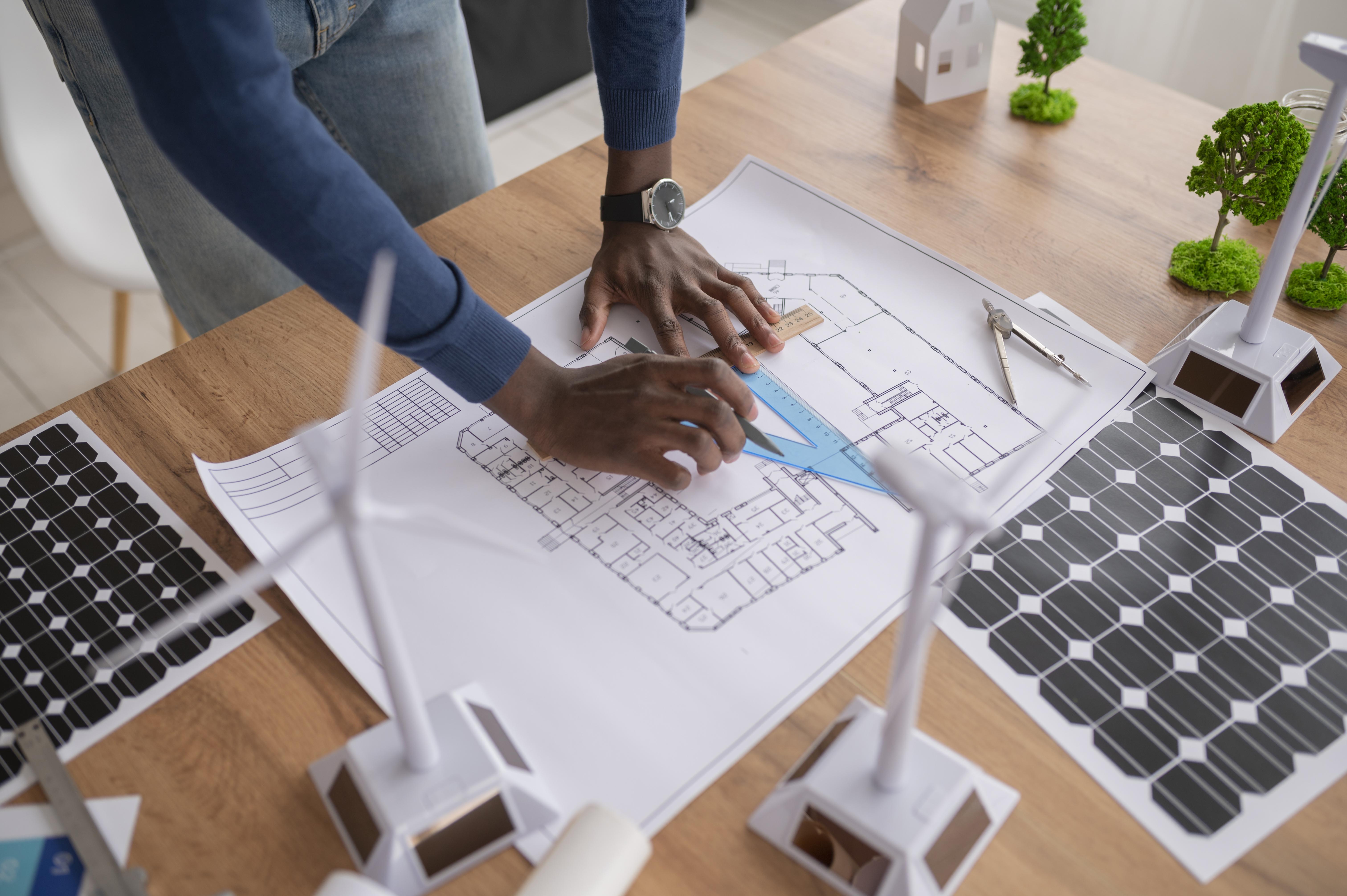
Good engineering means simplifying complexity. We start by studying solar data, seasonal shading, and on-site electrical conditions like earthing and short-circuit levels. Using this information, we design efficient string layouts, cable routes, and protection systems that ensure high performance without sacrificing safety or serviceability. The design also considers cleaning access, heat behavior, and maintenance paths, so the system works smoothly from day one to year thirty and beyond.
Through simulation-based energy estimates and coordinated mechanical, structural, civil, and electrical planning, every project is prepared with clear expectations of losses, risks, and performance. Our PV Array and BOS design, along with strong mechanical, structural, and layout engineering, ensures the project receives approvals confidently and moves to construction with complete clarity.

Procurement
At ARPY, procurement is not just picking items from a catalog — it is a careful quality-focused process. We work directly with manufacturers to choose high-efficiency Tier-1 PV modules, reliable inverters, mounting structures, LT/HT cables, BOS components, and certified energy meters. Every product is selected to match the design needs, warranty standards, and required certifications.
Materials are delivered in a planned sequence based on construction progress, so nothing sits idle and every component arrives ready for installation. Each item is fully traceable, documented, and prepared for future audits. The result is dependable material readiness — no missing items, no confusing datasheets, and no hidden compromises.
Construction, Installation & Commissioning
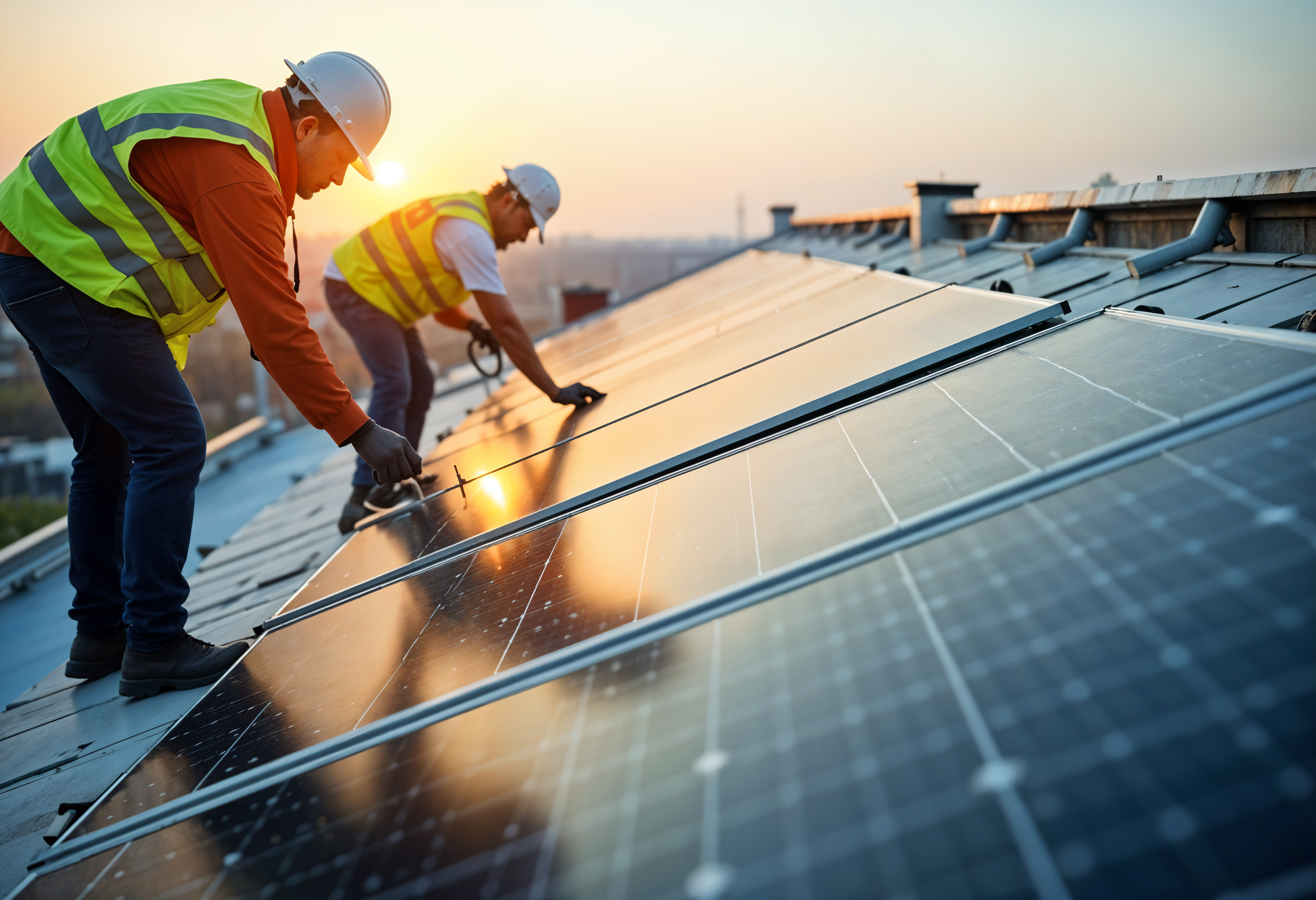
From construction to commissioning, ARPY ensures every solar plant is built with precision and verified with proven performance. On-site work follows a strict, step-by-step process — foundations are placed safely, structures are aligned for long-term stability, cables are routed for cooling and safety, and protection systems are installed exactly as designed. Every torque check, cable termination, and earthing point is verified to prevent future failures. Each stage of the build is documented with photos, checklists, and test records, creating a clear history of quality.
Before the system connects to the grid, we thoroughly test it. IV curve profiling, insulation resistance checks, polarity verification, and protection testing ensure the plant performs as engineered. SCADA monitoring is validated so alarms, data, and device visibility work seamlessly. Only when performance matches the design benchmarks do we energize the plant and hand it over with complete as-built drawings, reports, and training for your team.
Commissioning
Before synchronizing with the grid, the plant is treated as evidence. Strings are profiled for IV characteristics, insulation resistance is proven under real conditions, polarity is confirmed end-to-end, and protections are challenged to demonstrate their reflexes. SCADA visibility is checked at device and dashboard levels, ensuring that alarms mean something and data travels without distortion.
Only after performance aligns with the engineered baseline do we energize and hand over, complete with as-built drawings, reports, and training for your team.

Operations & Maintenance
Commissioning is only the start — real performance comes from ongoing care. ARPY continuously monitors your solar plant in real time, studying generation patterns and performance data to act before small issues become problems. We schedule cleaning and inspections based on your location, climate, and usage to keep the system running at its best. Every month, we share simple performance reports that explain how the plant behaved, why it produced the way it did, and where improvements can be made.
With real-time system monitoring, performance analytics, and both preventive and corrective maintenance, our goal is straightforward: high uptime, stable energy output, and a solar plant that runs smoothly and quietly every single day.

Assurance
For us, compliance is not just paperwork — it is part of everything we do. All documentation is always audit-ready, safety is followed in real practice (not just written on boards), and every decision meets required standards, from lightning protection to fire safety. Whether it’s bankers, owners, or regulators, everyone can see the same thing: a solar project that is engineered with honesty and built to last longer than expected.
Net Metering
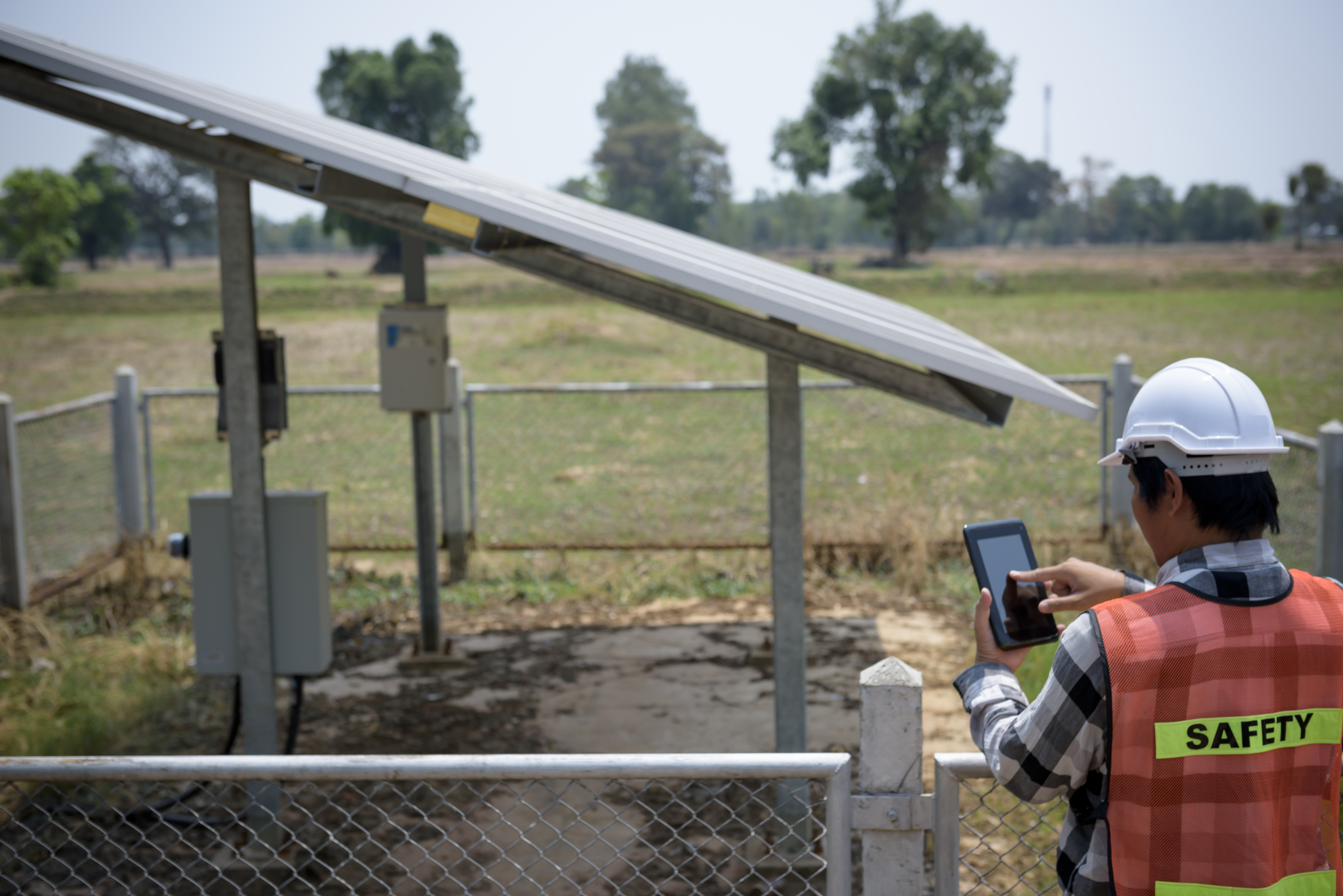
Net metering lets you export unused solar energy back to the grid and receive credit on your electricity bill. You are billed only for the difference between power consumed and power generated — making solar ownership financially rewarding and grid-friendly. This model helps maximize ROI and reduces payback time significantly.

Group Net Metering
Group net metering allows excess solar power from one location to be shared across multiple electricity meters under the same ownership. This system is ideal for housing societies, institutional campuses, and multi-building facilities where solar generation and consumption are distributed. It ensures every unit generated is utilized efficiently, improving cost savings and energy independence.
Virtual Group Net Metering
Virtual group net metering enables multiple users to benefit from a single centralized solar plant, even if they cannot install solar on their own rooftop. The generated energy units are digitally credited to participating users, allowing industries, residential societies, and commercial clusters to enjoy solar savings without installation constraints. This model removes space limitations and makes clean energy accessible to everyone.





 WHY SOLAR